

What An Ingrown Hair Actually Is
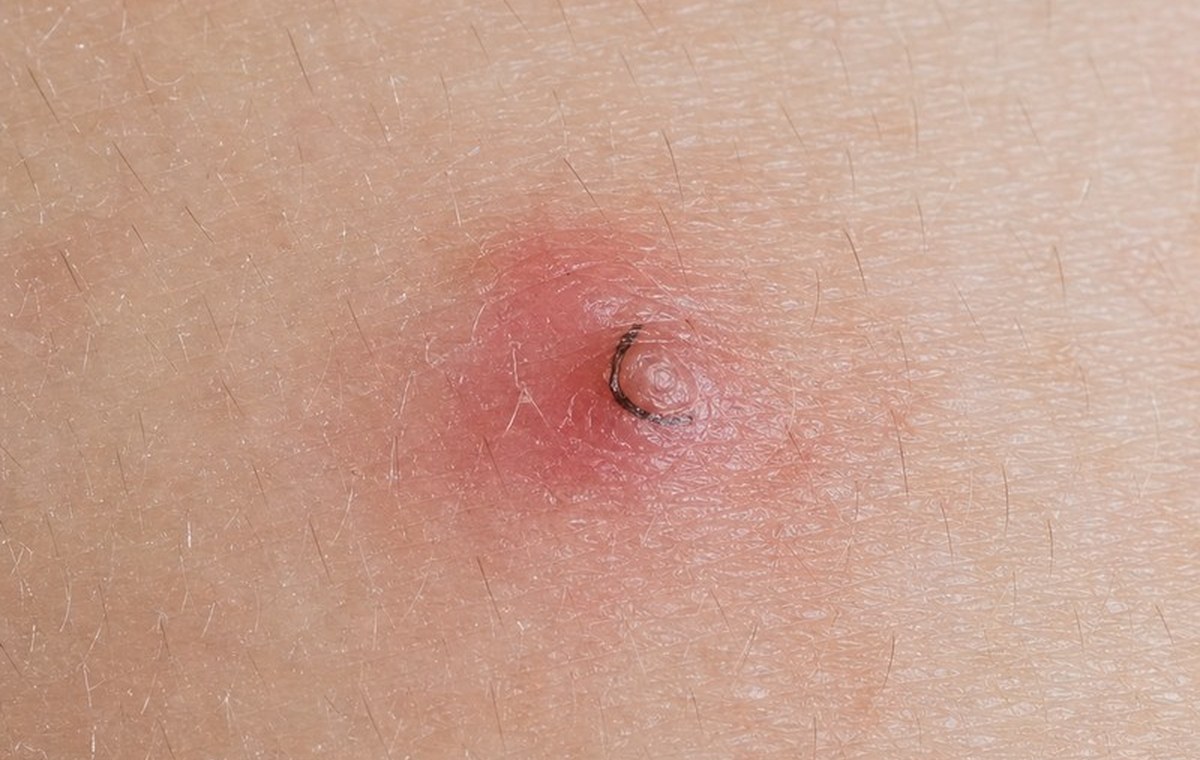
An ingrown hair is a hair that has curled back and re-entered the skin instead of growing out of it. Your body treats anything under the skin that should not be there as something to wall off, and the small raised red bump you can see is that response.
It is not dirt. It is not a hygiene failure. Washing more does not prevent it and scrubbing harder makes it worse, because the irritation itself is part of the problem.
The bikini line gets it worst for two reasons that stack: the hair there is naturally coarser and more curved, and the skin is thinner than almost anywhere else on the body.
The Blade Creates The Exact Shape That Causes It
A hair that has never been cut comes to a soft point. Cut it with a blade and it now ends flat and sharp, and a flat sharp end is far better at piercing skin than a tapered one.
That is the whole mechanism. The dermatological literature on this is not new or contested: blunt cut tips plus curved follicles is the combination that produces ingrown hairs, which is why the problem is so tightly associated with shaving and why it is worse on curly hair.
So the honest framing is not that some people are prone to bumps and others are not. It is that a blade manufactures the shape that causes them, every single time, on everyone.
Blunt cut tips combined with curved follicles are the documented mechanism behind ingrown hairs, which is why the problem tracks so closely with shaving.
Then The Marks, Which Are A Separate Problem
The dark spots that outlast the bumps are post-inflammatory hyperpigmentation. When skin is inflamed, pigment-producing cells can respond by leaving extra pigment behind after the inflammation settles. The bump goes. The mark stays, sometimes for months.
This affects deeper skin tones considerably more, which is well documented and worth knowing, because it changes the arithmetic. If every session leaves a handful of small inflamed spots and every spot can leave a mark, then how often you do it matters as much as how you do it.
That is why the useful question is not which cream fades the marks. It is what stops producing them.
Post-inflammatory hyperpigmentation follows cutaneous inflammation and is more prevalent in darker skin types, which is why reducing the number of inflamed spots matters more than treating them afterwards.
What Changes If The Hair Is Not Cut
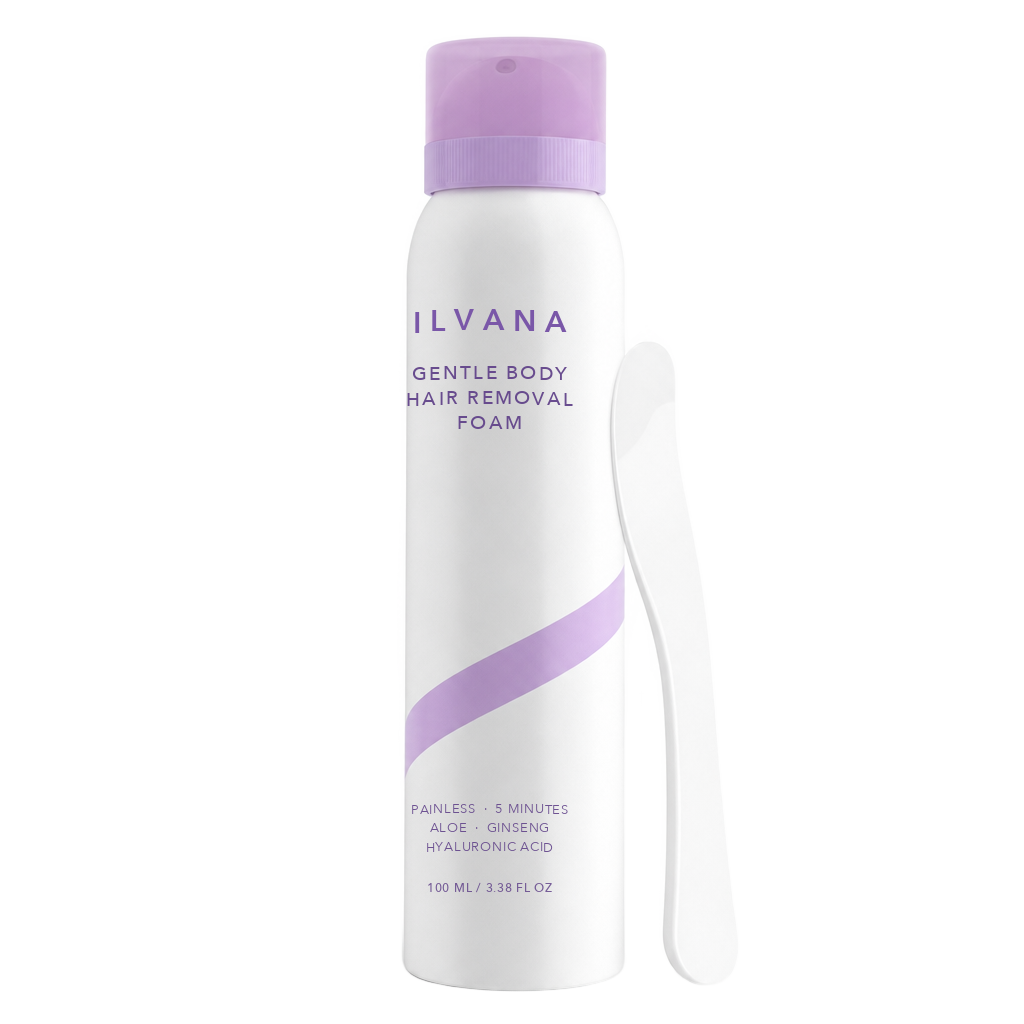
A depilatory foam removes hair a different way. A thioglycolate active breaks the sulphur bonds inside the hair so it softens and lifts away at the skin line. Nothing is sliced off above the surface, so there is no flat tip left behind to curl back in.
There is a second effect that people notice sooner than they expect. Because the removal happens at the skin line rather than above it, regrowth arrives soft rather than sharp, so the first days after a session do not feel like stubble against clothing.
And because a session lasts longer than a shave, you are doing it two or three times a month instead of every other day, which means the skin gets left alone in between. For bumps, that gap does more work than anything you apply afterwards.
Fewer sessions means fewer inflamed spots, and fewer inflamed spots is the only reliable way to end up with fewer marks.
The Routine That Actually Reduces Them
Leave three or four days of growth before a session. Too short and the product has nothing to work on, which is the most common reason a session disappoints.
Start on clean, dry skin, spread an even layer, and set a timer. Four to five minutes on the bikini line, and never longer there. Lift it off with the scraper and rinse with plain cool water rather than soap.
Then leave the area alone for a day. No fragranced lotion, no tight fabric, no heat. From the next day, an unscented moisturiser, and gentle exfoliation two or three times a week on days you are not treating. That is the whole routine, and it is mostly about restraint.